
Over time, one thing becomes pretty clear: a trendy haircut doesn’t automatically look good on everyone. The secret is knowing which men’s hairstyle works with your natural features and how to maintain it without spending an hour in front of the mirror every morning.
Whether you prefer a clean, professional appearance or a relaxed, modern look, there are plenty of fashionable hairstyles for men worth considering. From textured crops and classic fades to long hairstyles and slicked-back hair, the right choice can help you look more confident and put together.
Why Fashion Hairstyles Matter for Men
A hairstyle is one of the first things people notice about your appearance. It frames your face, adds personality to your outfit, and can even change how formal or casual your overall look feels.
Think about the difference between a sharp low fade with a neatly styled top and long, naturally flowing hair. Both can look fantastic, but they create completely different impressions.
I’ve noticed that men sometimes spend plenty of time choosing clothes, shoes, and accessories while overlooking their hair. The funny thing is, a well-maintained haircut can make even a simple T-shirt and jeans look much more stylish.
A Good Hairstyle Should Match Your Personality
The best men’s fashion hairstyle isn’t necessarily the most expensive or complicated one. It’s the style that makes you feel comfortable and fits the way you want to present yourself.
If you prefer minimalist fashion, a classic taper or side-part haircut might suit you perfectly. If you enjoy streetwear, oversized jackets, sneakers, and relaxed outfits, a textured crop, modern mullet, or messy fringe could be a better match.
Don’t feel pressured to copy a celebrity’s haircut exactly. Use reference photos for inspiration, then ask your barber to adjust the length, fade, and texture to suit your hair.
Hairstyles Can Improve Your Overall Appearance
Haircuts can change how your facial features appear by adding height, reducing visual width, or creating a more defined outline around the temples and neck. For example, a little volume on top can make a round face appear longer, while a softer fringe can balance a longer forehead.
These effects aren’t strict rules, though. Personal preference, hair density, and the way your hair naturally grows are just as important as face shape.
The Best Fashion Hairstyles for Men
Men have more hairstyle options than ever, and many popular cuts can be adapted for different ages, hair types, and fashion preferences. Here are some of the most versatile styles to consider before your next barbershop visit.
1. The Low Fade Haircut
The low fade is a modern classic that works with many different hairstyles. The hair gradually becomes shorter around the lower sides and back, while the top can remain textured, curly, wavy, or neatly combed.
<ins>Why it works:</ins> A low fade creates a clean outline without making the sides look extremely short. It’s a great option if you want a fashionable haircut that still looks appropriate for school, work, social events, and everyday activities.
I would recommend pairing a low fade with a textured top for a relaxed appearance or a side part for something more polished. Tell your barber that you want the fade to begin low around the ears, and bring a reference photo to show how subtle you want the transition to look.
Styling tip: Use a small amount of matte clay to create texture on top. You can keep the sides natural and neat without making the hairstyle look overly shiny or stiff.
2. The Mid Fade with Textured Hair
The mid fade begins higher than a low fade, usually around the middle of the sides. This creates a stronger contrast between the shorter sides and the longer hair on top.
It’s a popular choice for men who want a modern, slightly edgy appearance. The haircut works particularly well with textured crops, short quiffs, messy tops, and some curly hairstyles.
One mistake I’ve seen people make is asking for a very high-contrast fade without considering how much scalp will be visible. If you have thinner hair or prefer a softer appearance, ask your barber to keep the transition blended rather than overly dramatic.
Styling tip: Apply a lightweight styling cream to slightly damp hair, then use your fingers to separate the strands. This helps create natural movement without making the hair look greasy.
3. The Textured Crop
The textured crop is one of the easiest fashionable hairstyles for men to maintain. It usually features short sides, a relatively short top with visible texture, and a fringe that may sit forward across the forehead.
<ins>Best for:</ins> Men who want a modern haircut that doesn’t require much daily styling.
The beauty of this style is that it doesn’t need to look perfectly arranged. In fact, a little unevenness gives the haircut its character, which is why it works well with casual clothing, denim jackets, hoodies, and streetwear.
Ask your barber for choppy texture on top and a fade or taper on the sides. The fringe can be cut blunt for a stronger look or slightly uneven for a softer finish.
Styling tip: Rub a pea-sized amount of matte paste between your palms and work it through dry hair. Avoid using too much product because the crop can quickly lose its natural texture when the strands become heavy.
4. The Classic Side-Part Hairstyle
Some hairstyles never really go out of fashion, and the classic side part is a perfect example. It combines neatly combed hair with a defined parting, making it suitable for business outfits, formal occasions, and smart-casual clothing.
The sides can be tapered or kept relatively short, while the top remains long enough to comb into place. Unlike more dramatic modern cuts, this hairstyle creates a balanced and timeless appearance.
I especially like this option for men who want their hair to look professional without feeling old-fashioned. Pair it with a button-down shirt, a fitted blazer, or even a simple polo shirt for an effortlessly polished look.
Styling tip: Start with slightly damp hair, apply a small amount of styling cream, and comb the hair toward one side. If your hair naturally separates in a particular direction, work with that pattern instead of fighting it every morning.
5. The Modern Quiff
The quiff features hair brushed upward and backward from the forehead, creating volume at the front. It can look sophisticated or casual depending on the height, texture, and finish.
A modern quiff generally works best when the top has enough length to lift without looking stiff. The sides may be tapered or faded, depending on how much contrast you prefer.
This hairstyle is especially useful for men who enjoy structured outfits and want their haircut to make a noticeable statement. However, it may require more styling time than a short crop, particularly if your hair is thick or naturally falls forward.
Styling tip: Blow-dry the front section upward using your fingers or a brush. Finish with a small amount of matte paste or light-hold styling product to keep the volume in place without making it look like a helmet.
6. The Slicked-Back Hairstyle
Slicked-back hair offers a clean, confident appearance that can work with both contemporary and classic fashion. The hair is directed away from the forehead, creating a smooth silhouette that can be worn with a taper, undercut, or longer sides.
The finish is important. A glossy pomade creates a traditional, polished look, while a matte cream gives the hairstyle a softer and more modern appearance.
For everyday wear, I generally prefer a natural finish because it allows the hair to move rather than appearing frozen in place. If your hair is fine, choose a lightweight product so the style doesn’t become flat against your scalp.
Styling tip: Comb the product through slightly damp hair and direct it backward. If you want more volume, blow-dry the roots upward and backward before applying your finishing product.
7. The Modern Mullet
The modern mullet has shorter hair around the front and sides, with more length at the back. Today’s versions are often softer and more textured than the dramatic mullets associated with earlier decades.
This haircut works well for men who enjoy fashion-forward streetwear, vintage-inspired clothing, and individualistic personal style. It can also be adapted for wavy or curly hair, allowing natural texture to become part of the design.
The important thing is getting the proportions right. A mullet that is too short at the back may not create the silhouette you want, while an overly dramatic version may feel difficult to style with more formal clothing.
Styling tip: Use a lightweight curl cream or texture spray to emphasize natural movement. Ask your barber to blend the sides and back according to how bold or subtle you want the finished haircut to be.
8. The Curly Top with Tapered Sides
Men with naturally curly hair sometimes make the mistake of cutting everything too short because they assume curls are difficult to manage. In reality, keeping some length on top can create an attractive, fashionable hairstyle with plenty of personality.
A curly top with tapered sides allows the curls to become the main feature while keeping the overall shape clean. It can work with loose waves, defined curls, and tighter curl patterns, although the cutting technique should be adapted to the hair’s natural behavior.
Tell your barber that you want to preserve the curl pattern rather than simply remove bulk. Cutting curly hair while considering how it shrinks as it dries can help prevent the top from becoming much shorter than expected.
Styling tip: Apply leave-in conditioner or curl cream to damp hair, then gently scrunch the curls. Avoid repeatedly brushing dry curls because this can disrupt their shape and create unwanted frizz.
9. The Buzz Cut
The buzz cut is a simple, low-maintenance hairstyle that proves you don’t need long hair to look fashionable. It uses short, relatively uniform hair lengths, although the sides can be faded for a more modern finish.
This haircut is ideal for men who prefer practical grooming and want to spend less time styling their hair. It also works well with minimalist clothing, sporty outfits, and clean, understated fashion.
One thing worth remembering is that very short hair exposes more of the scalp and makes the overall head shape more noticeable. If you’re unsure about going extremely short, start with a slightly longer guard and ask your barber to show you the result before cutting closer.
Styling tip: Daily styling is usually minimal, but regular trims are important to keep the length looking intentional. A moisturizing scalp product and sunscreen on exposed areas can also be useful, especially when spending time outdoors.
10. Medium-Length Curtains
Curtain hairstyles feature a center or slightly off-center part, with the hair falling toward either side of the face. The style became widely associated with vintage-inspired men’s fashion and continues to work well with modern casual outfits.
Medium-length curtains are especially attractive when the hair has natural movement, whether straight or slightly wavy. They can create a relaxed appearance without requiring the sharp outlines of a fade.
The main challenge is maintaining the right length around the forehead and ears. If the front grows too long without shaping, the hairstyle can begin to look untidy rather than intentionally relaxed.
Styling tip: Use a lightweight mousse or styling cream and blow-dry the hair away from the center part. A little natural volume is usually enough; excessive product can make the curtains separate into heavy sections.
11. Long Hairstyles for Men
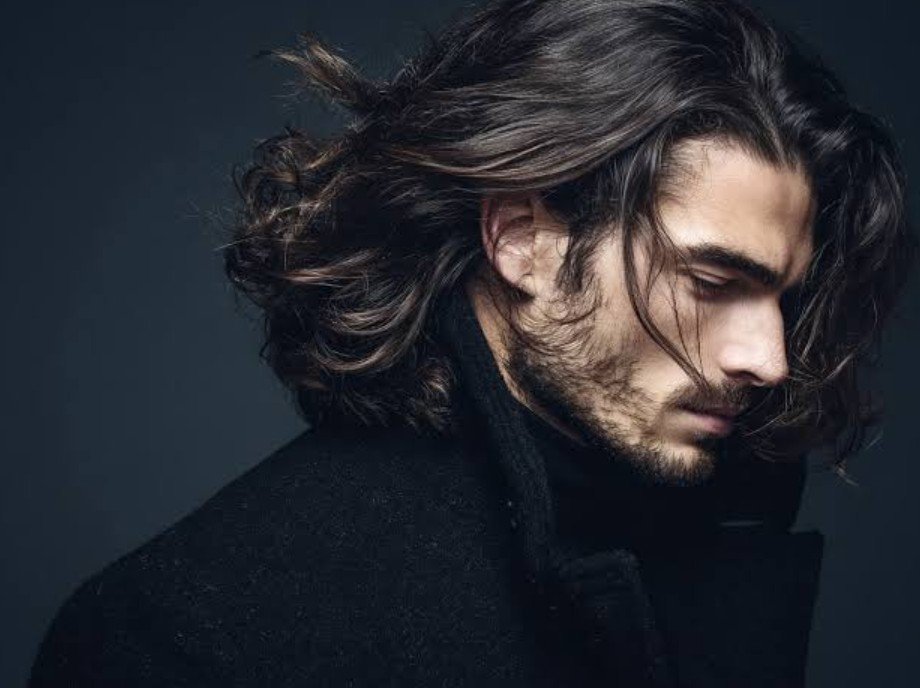
Long hair can be just as fashionable as a short fade when it is healthy and well maintained. Popular options include shoulder-length layers, loose waves, textured straight hair, and a relaxed low bun.
Long hairstyles work particularly well with casual layers, denim, knitwear, relaxed tailoring, and outdoor-inspired fashion. The goal is to make the length look deliberate rather than simply allowing the hair to grow without shaping it.
I would suggest getting occasional trims to remove damaged ends and maintain a flattering outline. You don’t necessarily need to lose much length; a small amount of shaping can make a surprisingly big difference.
Styling tip: Use conditioner regularly and avoid rough towel-drying. If your hair is naturally wavy, let it air-dry partially before using a lightweight styling cream to define the texture.
12. The Short Pompadour
The short pompadour is a modern variation of a classic hairstyle, featuring a lifted front section and shorter sides. Compared with a traditional pompadour, it usually has less height and feels easier to wear every day.
This style can look great with tailored clothing, smart-casual outfits, and clean sneakers. It gives the appearance some structure without requiring the dramatic volume associated with older versions.
Ask your barber to leave enough length at the front to create lift while keeping the top manageable. If your hair is naturally thick, some texturizing may help reduce bulk.
Styling tip: Blow-dry the front upward and slightly backward, then apply a small amount of medium-hold styling cream. The finished look should have movement rather than looking rigid.
How to Choose the Best Hairstyle for Your Face Shape
Finding the right haircut involves more than selecting a picture from social media. Face shape is a useful starting point, but hair texture, hairline, personal taste, and maintenance habits also matter.
Hairstyles for Round Faces
Round faces typically have softer angles and similar measurements across the cheeks and overall face length. Hairstyles that add some height at the top can create a more elongated visual effect.
Consider a textured quiff, a pompadour, or a short haircut with a little extra length on top. A well-blended fade can also provide definition around the sides without making the haircut look too harsh.
If you prefer a fringe, try a textured or slightly angled version rather than a very heavy, straight fringe. The right balance can help frame your face while keeping the style natural.
Hairstyles for Oval Faces
Oval faces are often considered versatile because many hairstyles work well with their balanced proportions. Short crops, side parts, quiffs, curtains, and medium-length styles can all be good options.
Instead of worrying too much about finding a supposedly perfect haircut, focus on your hair texture and preferred fashion aesthetic. For example, a textured crop may suit a sporty wardrobe, while a side part may feel more natural with tailored clothing.
You can also experiment with different lengths without dramatically changing the overall balance of your face. Just remember that the most flattering option is the one you enjoy wearing.
Hairstyles for Square Faces
Square faces often have a broader jawline and more angular features. Haircuts that keep the sides neat while adding texture or controlled volume on top can complement these proportions.
A crew cut, textured crop, classic taper, or short quiff may work particularly well. If you want a softer appearance, choose a haircut with movement rather than extremely sharp lines everywhere.
That doesn’t mean sharp fades are off-limits. A clean fade can look excellent on a square face, especially when the top is shaped to match your preferred style.
Hairstyles for Long Faces
Long faces often benefit from hairstyles that avoid adding excessive height at the top. Medium-length curtains, textured fringes, and balanced side parts may help create a more proportional appearance.
Very tall pompadours can visually lengthen the face further, although personal preference should always come first. If you love that style, ask your barber for a lower, softer version.
The goal isn’t to hide your facial features. It’s to choose proportions that make your haircut feel balanced and intentional.
Choosing a Hairstyle Based on Your Hair Type
Your natural hair texture plays a major role in how a haircut looks after you leave the barbershop. A style that takes two minutes to maintain for one person might require several products and a blow-dryer for someone else.
Straight Hair
Straight hair often works well with side parts, slicked-back styles, textured crops, and curtains. However, very straight hair can sometimes resist volume or fall flat when too much product is applied.
For more lift, use a lightweight mousse or volumizing product before blow-drying. A matte styling paste can then add separation without making the hair appear greasy.
Ask your barber to create texture through the cut itself. This can make straight hair easier to style, even on mornings when you don’t have much time.
Wavy Hair
Wavy hair has natural movement that can make medium-length styles, textured crops, and relaxed quiffs look especially good. The trick is working with the wave pattern instead of forcing every strand into a perfectly straight shape.
Use a lightweight cream or texture spray to define the waves while maintaining softness. If your hair becomes frizzy, avoid excessive heat and consider using a conditioner suited to your hair’s needs.
A slightly messy finish can be a benefit here. You don’t have to make every strand behave perfectly for your hairstyle to look fashionable.
Curly Hair
Curly hair benefits from moisture, careful shaping, and products that support the natural curl pattern. Tapered sides with a curly top, medium-length curls, and longer layered styles are all worth exploring.
A curl cream or leave-in conditioner can help define the curls, while a diffuser can be useful when you want more volume or faster drying. Apply products evenly and avoid aggressive brushing, particularly when the hair is dry.
When visiting your barber, explain how you normally wear your hair. A cut that looks good when wet may sit very differently once your curls have dried and contracted.
Thick Hair
Thick hair offers plenty of styling possibilities, but it can become bulky if the shape isn’t managed well. Textured crops, quiffs, side parts, and tapered cuts can all help create a more controlled silhouette.
Ask for strategic weight removal rather than simply requesting that the hair be made as thin as possible. Excessive thinning can create uneven texture or make some hair types harder to style.
A medium-hold styling cream or clay can help keep thick hair in place. Start with a small amount, adding more only when necessary.
Thin or Fine Hair
Fine hair can look stylish with the right cut, and there’s no need to assume that very short hair is your only option. A textured crop, classic crew cut, short side part, or carefully shaped quiff can work well.
Avoid loading the hair with heavy waxes and oils, which may weigh it down and make the scalp more visible. Lightweight volumizing products and a gentle blow-dry can create a fuller appearance.
Your barber can also adjust the haircut to suit your hairline and density. If hair thinning is a concern, be realistic about what styling can accomplish and consider speaking with a qualified healthcare professional about persistent or sudden changes.
Men’s Hairstyle Trends Worth Trying
Fashion changes constantly, but not every new trend deserves a place in your grooming routine. I prefer to think of hairstyle trends as inspiration rather than rules that everyone must follow.
Natural Texture and Effortless Styling
One noticeable direction in men’s grooming is the preference for hair that looks natural rather than overly arranged. Textured crops, loose curtains, soft quiffs, and relaxed curls all fit this approach.
The important detail is that effortless-looking hair often still needs a little care. A suitable haircut, clean hair, and the right amount of styling product can make the difference between intentional texture and an unkempt appearance.
Start by using less product than you think you need. You can always add more, but removing excess wax or clay after it has been applied is a pain.
Modern Fades and Tapers
Fades and tapers remain versatile because they can be combined with many different top styles. A low taper offers a subtle, understated finish, while a high fade creates stronger contrast.
You don’t need the most dramatic version to look modern. In many cases, a clean taper with a textured top offers enough definition to complement both casual and formal outfits.
When asking for a fade, specify where you want the transition to begin and how short you want the sides. Words such as “low,” “mid,” and “high” are useful, but reference photos can make your preference much clearer.
Longer, Relaxed Men’s Hair
Medium and long hairstyles allow men to experiment with layers, movement, and natural texture. Curtains, loose waves, and layered cuts can create a relaxed appearance that pairs well with contemporary fashion.
These styles usually require more patience during the growing stage. The hair may pass through an awkward length where it doesn’t sit quite right, so occasional shaping can help while you wait for it to grow.
Don’t judge a longer hairstyle only by how it looks immediately after washing. Learn how it behaves as it dries, and choose a styling routine that supports its natural movement.
The Best Hair Products for Men’s Hairstyles
You don’t need a shelf full of expensive grooming products to maintain a fashionable haircut. A few well-chosen products are usually enough, especially when you understand what each one is designed to do.
Matte Clay for Texture and Hold
Matte clay is useful for textured crops, messy quiffs, short side parts, and many other hairstyles that benefit from separation. It generally provides a low-shine finish, making the hair look more natural than a high-gloss pomade.
Start with a pea-sized amount and warm it between your palms before applying it. Work from the back toward the front so that you don’t accidentally overload the most visible section of your hair.
If your hair feels sticky or looks clumped together, you’ve probably used too much. A lighter application often produces better results.
Pomade for Sleek Hairstyles
Pomade is a popular option for slicked-back hair, classic side parts, and polished pompadours. Depending on the formula, it can provide anything from a natural finish to a noticeable shine.
Water-based pomades are generally easier to wash out than many traditional oil-based formulas. Check the product label and choose the hold level according to your hair thickness and preferred style.
For a softer everyday look, apply a small amount and comb the hair into place. You can always add a little more if the style needs additional control.
Styling Cream for Natural Movement
Styling cream is ideal when you want your hair to remain soft and flexible. It’s especially useful for medium-length hairstyles, loose curtains, and hair that already has natural waves.
Apply it to slightly damp hair and distribute it evenly with your fingers. Avoid concentrating the product in one area because this can leave some sections looking oily while others remain dry.
Creams usually offer less rigid hold than some clays or gels. That’s a good thing if your goal is natural movement rather than a perfectly fixed shape.
Sea Salt Spray for Beachy Texture
Sea salt spray can help create a slightly rough, beach-inspired texture, especially in straight or wavy hair. It is often used before blow-drying to add body and separation.
However, frequent use may leave some hair feeling dry, depending on the formula and your hair’s condition. If you notice dryness, reduce how often you use it and follow up with a suitable conditioner.
Spray lightly through damp hair, scrunch or shape it with your fingers, and allow it to dry. You don’t need to soak your hair for the effect to work.
How to Maintain a Fashionable Men’s Haircut
A great haircut can lose its shape when the sides grow out or the top becomes difficult to manage. Regular maintenance helps your hairstyle continue looking intentional between barber visits.
Schedule Trims According to Your Haircut
Short fades and sharply defined styles often need more frequent trims because even a small amount of growth changes their appearance. Depending on how quickly your hair grows and how precise you like the edges, you might prefer a visit every two to four weeks.
Classic tapers, textured crops, and medium-length hairstyles may remain presentable for longer. Some people can comfortably wait four to eight weeks between trims, although the right interval depends on the cut and personal preference.
Long hairstyles may need less frequent shaping, but damaged ends still deserve attention. Rather than following a strict schedule, pay attention to when the haircut stops sitting the way you like.
Wash Your Hair Without Overdoing It
How often you should wash your hair depends on your scalp, hair texture, activity level, and styling products. Some people benefit from daily washing, while others find that washing every few days works better.
Choose a shampoo that suits your scalp and use conditioner when appropriate for your hair type. If your hair feels dry after every wash, consider whether your shampoo is too harsh or whether you’re washing more often than necessary.
Also, remember that clean hair isn’t the only goal. A healthy scalp and hair that feels manageable are more useful targets than trying to follow a universal washing schedule.
Learn a Simple Daily Styling Routine
A consistent routine makes it easier to maintain your haircut without turning grooming into a major project. For many short hairstyles, the process can take just a few minutes.
Start by washing or lightly dampening your hair if needed, then remove excess water with a towel. Apply your styling product in a small amount and shape the hair with your fingers, a comb, or a brush according to the style.
If you use a blow-dryer, avoid holding it too close to your scalp or relying on excessive heat. A little patience during styling can help you get the look you want without making the hair feel dry or damaged.
Common Men’s Hairstyle Mistakes to Avoid
Even a good haircut can become frustrating when the wrong styling habits are involved. Fortunately, many of the most common mistakes are easy to correct.
Choosing a Haircut That Requires Too Much Maintenance
A dramatic quiff may look fantastic in a reference photo, but it might not be the best choice if you prefer getting ready in three minutes. Similarly, long curtains may require more drying and shaping than a short crop.
Before choosing a hairstyle, think honestly about how much time you’re willing to spend on it. If you don’t enjoy blow-drying or applying styling products, choose a cut that looks good with minimal effort.
Your routine should fit your lifestyle, not the other way around. A hairstyle that you can maintain comfortably is often more attractive than one that looks great only on the day of the haircut.
Using Too Much Styling Product
More product doesn’t necessarily mean better hold or better texture. Heavy application can make the hair greasy, stiff, or difficult to reshape.
Start with a small amount, spread it evenly across your hands, and apply it gradually. Fine hair usually needs less product than thick hair, while longer styles may require a different application technique.
If the result feels heavy, wash the product out rather than repeatedly adding more. It sounds obvious, but this small habit can save you a lot of frustration.
Ignoring Your Natural Hair Growth Pattern
Hair naturally grows in different directions, and some men have cowlicks, strong parts, or hairlines that affect how a haircut sits. Ignoring these patterns can make daily styling much harder than necessary.
Tell your barber about any areas that stick up or resist being combed into place. An experienced barber can often adjust the length or shape to work with the growth pattern instead of fighting it.
This is especially important around the crown and fringe. A small change in cutting technique can make the finished hairstyle much easier to manage.
Copying a Celebrity Hairstyle Without Adjustments
Celebrity hairstyles are useful sources of inspiration, but the final result depends on more than the haircut itself. Hair density, texture, styling products, lighting, and professional preparation all affect how the style appears.
Bring two or three photos showing the hairstyle from different angles. Ask your barber which elements are realistic for your hair and which details may need to be adjusted.
You don’t need an exact copy to get a great result. A version tailored to your features will often look more natural and flattering.
How to Explain Your Desired Hairstyle to a Barber
Clear communication is one of the easiest ways to improve your haircut experience. Instead of saying only that you want something modern, explain the length, shape, texture, and overall finish you’re aiming for.
Bring Reference Photos
Choose a photo that resembles your hair type and the style you want. If possible, bring images showing the front, sides, and back rather than relying on a single close-up.
This gives your barber a clearer idea of the fade height, fringe length, and overall proportions. It also reduces the chance of misunderstanding a term such as “short on the sides.”
Explain How You Normally Style Your Hair
Tell your barber whether you use a blow-dryer, prefer air-drying, or rarely apply styling products. These details can influence the haircut they recommend.
For example, a textured style that depends on daily blow-drying may not be suitable if you prefer a completely hands-off routine. A good haircut should work with your normal habits.
Ask About the Growing-Out Process
Some haircuts look sharp for only a short period, while others maintain their shape as the hair grows. Asking about upkeep before the cut helps you understand what to expect.
If you want fewer barber visits, request a softer taper or a style that doesn’t rely on extremely precise edges. If you love a crisp fade, be prepared for more frequent maintenance.
Matching Men’s Hairstyles With Different Fashion Styles
Your hairstyle and clothing don’t have to match perfectly, but they should feel like parts of the same overall look. A few simple combinations can help you create a more consistent personal style.
Hairstyles for Streetwear
Streetwear often pairs well with textured crops, modern mullets, curly tops, and relaxed curtains. These hairstyles complement oversized T-shirts, hoodies, cargo pants, denim, and sneakers.
The key is balancing volume and proportions. If your clothing is loose and oversized, a clean outline around the sides can keep the overall appearance from feeling too heavy.
You can also experiment with texture rather than perfect symmetry. A slightly messy finish often fits naturally with casual streetwear.
Hairstyles for Smart-Casual Outfits
Smart-casual clothing works well with classic tapers, side parts, short quiffs, and neatly styled medium-length hair. These cuts provide enough structure to complement chinos, polos, button-down shirts, and lightweight jackets.
You don’t need a glossy finish to look polished. A matte product and a controlled shape can create a modern appearance that feels comfortable rather than overly formal.
For versatility, choose a haircut that can be styled in more than one way. A medium-length top, for instance, can be combed neatly for work and worn with more texture on weekends.
Hairstyles for Formal Clothing
For formal occasions, classic side parts, slicked-back styles, and carefully shaped tapers are dependable options. They work particularly well with suits, dress shirts, and more structured outfits.
Focus on clean lines and a finish that suits the occasion. You can use a light-hold product for a natural appearance or a stronger product when you need the hairstyle to stay in place for several hours.
Make sure the haircut is comfortable before the event rather than experimenting with a completely new style at the last minute. Getting the cut a few days beforehand gives you time to learn how it behaves.
Frequently Asked Questions About Fashion Hairstyles for Men
What Is the Most Popular Fashion Hairstyle for Men?
There isn’t one hairstyle that is best for every man, but textured crops, fades, tapers, and curly tops are versatile options. The best choice depends on your hair type, face shape, fashion preferences, and grooming routine.
If you’re unsure where to start, a low taper with a textured top is a flexible option that can be adapted to many different looks. You can adjust the length and finish without changing the entire haircut.
Which Men’s Hairstyle Is Easiest to Maintain?
Buzz cuts, crew cuts, and short textured crops are generally among the easier hairstyles to maintain daily. They usually require little styling, although shorter fades may need frequent barber visits to keep their outlines sharp.
If your priority is minimal grooming, choose a haircut that looks good without blow-drying or multiple styling products. A slightly longer interval between trims may also be possible with a softer taper.
Which Hairstyle Makes Men Look Younger?
No haircut can guarantee a younger appearance, but a style that suits your hair texture and facial features can make you look fresh and well groomed. Textured crops, modern tapers, and natural medium-length styles are worth considering.
The condition of your hair and scalp, the fit of your clothing, and your grooming habits also contribute to your overall appearance. Choose a style that feels current without forcing yourself to follow every trend.
How Often Should Men Get a Haircut?
Many men with short fades prefer trims every two to four weeks, while other short and medium-length styles can often go four to eight weeks between appointments. Longer hairstyles may need less frequent trims, depending on the desired shape and condition of the ends.
Your hair growth rate and personal preference matter more than any fixed schedule. Book your next appointment when the haircut starts losing its shape or becomes harder to style.
What Is the Best Hairstyle for Men With Thick Hair?
Textured crops, tapered cuts, quiffs, and side parts can all work well with thick hair. The best choice depends on whether you want to reduce bulk, create volume, or preserve a fuller appearance.
Ask your barber to shape the hair so it remains manageable without removing too much weight. A suitable styling clay or cream can help control the finished look.
Can Men With Thin Hair Have a Fashionable Hairstyle?
Absolutely. Short crops, crew cuts, subtle side parts, and carefully styled quiffs can all look attractive on fine or thinning hair.
Lightweight styling products and a suitable cut can help create the appearance of more volume. Avoid heavy products that make the hair clump together, and seek professional advice if you notice sudden or unusual hair loss.
Final Thoughts: Find a Men’s Hairstyle That Works for You
Fashion hairstyles for men are about more than following the latest trend. A great haircut should complement your features, work with your natural hair texture, and fit comfortably into your everyday routine.
Whether you choose a low fade, textured crop, classic side part, curly top, modern mullet, or longer hairstyle, the most important step is finding a version that feels right for you. Don’t be afraid to experiment, but give each haircut a fair chance before deciding it doesn’t suit you.
Start with a style that matches your current hair length and maintenance preferences. Bring reference photos to your barber, use styling products sparingly, and pay attention to how your hair behaves after washing and drying.
Most importantly, remember that confidence comes from feeling comfortable with your appearance. You don’t need the most expensive haircut or the trendiest hairstyle to look great; you just need a style that suits you and a simple routine to keep it looking its best.