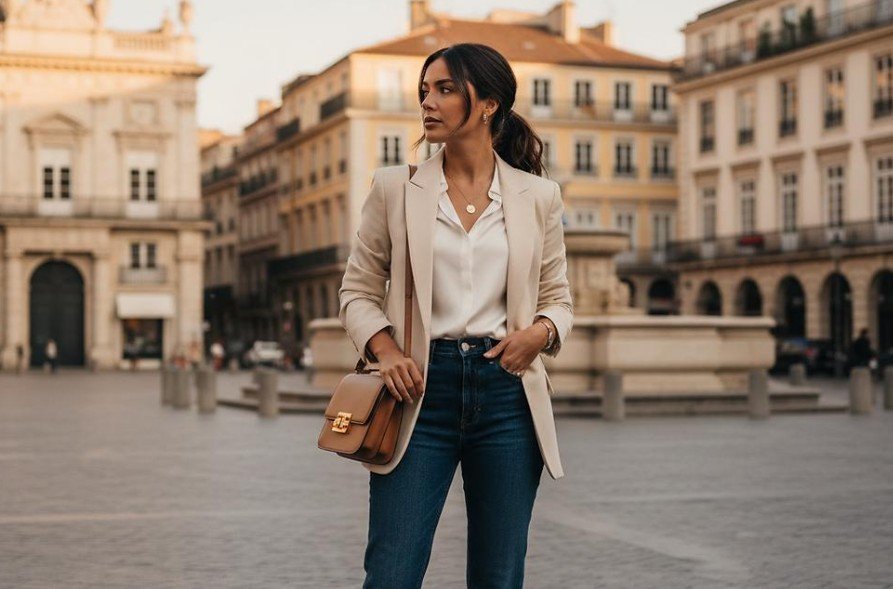

The good news is that learning how to find your fashion style doesn’t require a complete wardrobe makeover, expensive designer pieces, or a natural talent for fashion. It starts with understanding what you like, what makes you feel comfortable, and how you want to express yourself through your clothes.
I’ve found that one of the most helpful ways to approach personal style is to treat it as a process of discovery rather than a set of rules. Instead of trying to copy someone else’s wardrobe, you can experiment with different silhouettes, colors, textures, and accessories until you discover what feels authentic to you.
In this guide, I’ll walk you through practical ways to identify your personal style, avoid common shopping mistakes, and build a wardrobe that makes getting dressed easier. Whether you love classic outfits, casual streetwear, feminine dresses, minimalist fashion, or a mix of everything, you’ll learn how to create a look that feels like your own.
1. Understand What Personal Fashion Style Really Means


Before you start shopping for new clothes, it helps to understand what personal style actually means.
Your fashion style is the combination of clothing, colors, silhouettes, fabrics, shoes, and accessories you consistently enjoy wearing. It’s the way you use fashion to express your personality, lifestyle, and preferences without needing to follow every trend.
For example, someone who loves structured blazers, straight-leg trousers, and leather loafers might gravitate toward classic fashion. Another person might feel most confident in oversized T-shirts, relaxed denim, and sneakers, which lean toward casual streetwear.
Neither approach is better than the other. The goal is to find the combination that makes you feel comfortable and confident.
Personal style is different from following trends
Fashion trends change constantly. One season, oversized blazers might be everywhere; the next, fitted jackets and low-rise jeans could take center stage.
Following trends can be fun, but buying every popular item is an easy way to end up with a wardrobe that doesn’t feel cohesive. I’ve seen this happen in plenty of hypothetical wardrobe scenarios: a shopper buys several trendy pieces because they look amazing online, but the clothes don’t work with anything already hanging in the closet.
A better approach is to use trends as inspiration rather than instructions.
Ask yourself three questions before trying a trend:
-
Do I genuinely like this item, or am I attracted to it because everyone is wearing it?
-
Can I style it with at least three things I already own?
-
Would I still want to wear it if it stopped being popular next month?
If you answer yes to most of these questions, the item may be worth considering.
Your style should match your real life
One of the biggest mistakes people make when finding their fashion style is creating a wardrobe for a life they don’t actually live.
You might love glamorous evening outfits, but if most of your week involves commuting, running errands, working in an office, or taking care of family responsibilities, those clothes may spend more time in the closet than on your body.
Instead, consider your everyday routine.
If you work in a business-casual environment, you may benefit from versatile trousers, comfortable flats, and well-fitting tops. If your lifestyle is relaxed, quality denim, simple T-shirts, lightweight jackets, and practical sneakers might be more useful.
The best personal style is one you can realistically wear, not just one that looks beautiful in photographs.
2. Create a Fashion Inspiration Board


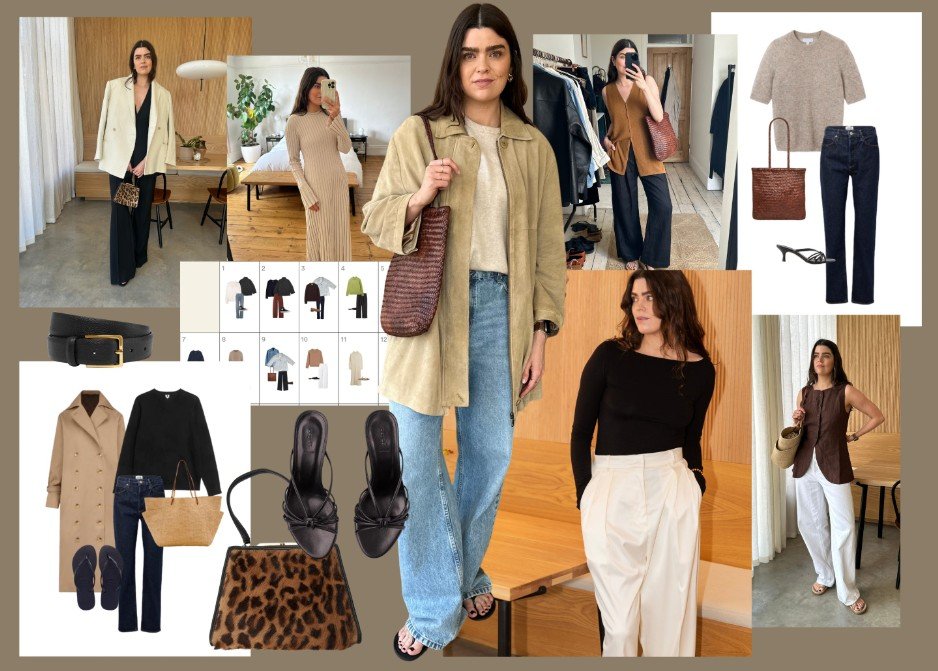
One of the easiest ways to discover your personal style is to collect images of outfits that catch your attention.
You don’t need to know fashion terminology or understand every aesthetic before you begin. Just start noticing the clothes you naturally gravitate toward.
Pinterest is particularly useful for this exercise, although Instagram, fashion magazines, online stores, and screenshots from movies can work just as well.
Save outfits that genuinely appeal to you
Create a digital folder or mood board and collect around 20 to 30 outfit images.
Don’t overthink the process at first. Save a combination of casual looks, dressy outfits, color combinations, shoes, accessories, and individual clothing pieces.
After you have collected enough inspiration, look through the images together.
You might notice that you repeatedly save outfits featuring:
-
Neutral colors such as black, white, beige, and gray.
-
Relaxed silhouettes with wide-leg trousers and oversized shirts.
-
Feminine details such as flowing skirts, delicate jewelry, and soft fabrics.
-
Structured pieces such as blazers, tailored coats, and polished handbags.
-
Bold colors, graphic prints, and statement accessories.
These patterns can reveal the beginnings of your personal style.
Look beyond the individual outfit
Here’s a small but important trick: don’t focus only on whether you like the person or the photograph.
Sometimes we save an outfit because the model looks confident, the location is beautiful, or the overall image has an appealing atmosphere. That doesn’t necessarily mean we’d enjoy wearing the clothes ourselves.
Instead, examine the details.
Do you like the shape of the trousers? Is it the cropped jacket, the color combination, or the simple styling that attracts you? Would you wear the shoes for an entire afternoon?
For example, you might save ten different outfits that all feature relaxed trousers and fitted tops. Even if the colors and accessories vary, that repeated silhouette is a useful clue.
Write down the common features you notice. You may discover that your ideal style is less about a particular aesthetic and more about a few elements you love combining.
Turn your inspiration into three style keywords
Once your mood board is complete, choose three words that describe the overall feeling you want your clothes to communicate.
Some examples include:
-
Classic, polished, effortless
-
Relaxed, practical, modern
-
Feminine, romantic, playful
-
Edgy, bold, creative
-
Minimal, clean, sophisticated
-
Vintage, colorful, expressive
These words become your personal style guide.
Suppose your keywords are classic, relaxed, and feminine. You might choose straight-leg jeans, soft knit tops, simple ballet flats, and a tailored coat instead of buying lots of dramatic statement pieces.
The keywords help you make decisions when shopping because you have a clearer idea of what belongs in your wardrobe.
3. Identify Which Fashion Styles You Naturally Love


You don’t need to fit into a single fashion category. Still, learning about common style types can help you describe what you like and find more relevant inspiration.
Think of these categories as starting points rather than strict labels.
Classic and timeless style
Classic fashion focuses on clean lines, simple silhouettes, and versatile pieces that can be worn for years.
Typical items include tailored blazers, straight-leg trousers, crisp button-down shirts, trench coats, loafers, and structured handbags.
This style may appeal to you if you prefer looking polished without spending too much time planning an outfit.
A simple classic outfit could include dark straight-leg jeans, a white button-down shirt, a brown belt, loafers, and a structured tote bag. Each item works independently, so you can combine them with other pieces in your wardrobe.
Casual and relaxed style
Casual fashion prioritizes comfort, ease, and everyday practicality.
Think soft T-shirts, relaxed jeans, knit sweaters, comfortable sneakers, denim jackets, and easy-to-layer outerwear.
The key to making casual outfits look intentional is paying attention to fit and condition. A clean pair of jeans, a well-fitting T-shirt, and fresh sneakers can look much more put-together than an outfit filled with expensive but poorly fitting pieces.
If you prefer comfort above everything else, you don’t need to force yourself into restrictive clothing to look stylish.
Minimalist style
Minimalist fashion uses simple shapes, restrained colors, and thoughtful combinations.
Black, white, gray, navy, cream, and beige often feature prominently, although minimalism doesn’t have to mean wearing only neutral colors.
For example, a monochromatic navy outfit with wide-leg trousers, a fine-knit sweater, and simple loafers can look sophisticated without complicated styling.
Minimalist wardrobes also tend to benefit from versatile pieces that can be worn in several combinations. The trick is choosing items you genuinely enjoy rather than assuming every minimalist wardrobe must look identical.
Feminine and romantic style
Feminine fashion often incorporates flowing skirts, dresses, soft fabrics, delicate jewelry, gentle colors, and decorative details.
You might enjoy floral prints, wrap dresses, ballet flats, cardigans, pearl earrings, or blouses with subtle ruffles.
However, feminine style doesn’t mean every outfit needs to include a dress or pastel colors. You can combine a romantic blouse with straight-leg denim or wear a flowing skirt with a simple leather jacket.
Mixing contrasting pieces often makes an outfit feel more personal.
Edgy and streetwear style
Edgy fashion and streetwear can include oversized silhouettes, graphic T-shirts, leather jackets, cargo trousers, chunky sneakers, boots, and statement accessories.
This style is ideal for people who enjoy experimenting with proportions, textures, and more expressive pieces.
For example, black wide-leg trousers, a graphic T-shirt, a cropped jacket, and chunky boots create an outfit with personality without requiring an elaborate combination.
You can also borrow one or two elements from streetwear without adopting the entire aesthetic.
Bohemian and vintage-inspired style
Bohemian fashion often features relaxed silhouettes, flowing fabrics, earthy colors, textured accessories, and layered jewelry.
Vintage-inspired fashion draws from particular decades, such as the 1970s, 1980s, or 1990s, using details like retro denim, patterned blouses, classic leather jackets, or old-school sneakers.
These styles work especially well if you enjoy distinctive pieces and don’t want your wardrobe to look exactly like everyone else’s.
If you’re drawn to several categories, combine them. A wardrobe that blends classic tailoring with vintage accessories or minimalist basics with romantic details can be much more interesting than following one aesthetic from head to toe.
4. Audit Your Current Wardrobe Before Buying Anything


Now comes the part that isn’t always glamorous but can be incredibly useful: examining the clothes you already own.
Before spending money on a new wardrobe, take everything out of your closet or work through one category at a time. Look at your tops, trousers, dresses, jackets, shoes, and accessories.
The purpose isn’t to judge your past choices. It’s to understand what you actually wear and why certain pieces keep getting ignored.
Divide your clothes into three categories
Start by sorting your clothes into three groups.
Group 1: Clothes you love wearing.
These are the pieces you reach for repeatedly because they fit well, feel comfortable, and work with your lifestyle. Pay attention to their colors, shapes, fabrics, and overall style.
Group 2: Clothes you like but rarely wear.
Perhaps you bought a beautiful blouse that only works with one particular skirt, or you own trousers that need hemming. Some pieces in this category may become useful once you find the right combinations or make small alterations.
Group 3: Clothes you avoid wearing.
These might be uncomfortable, difficult to style, unsuitable for your routine, or simply no longer your taste.
You don’t have to throw everything in the third group away immediately. The important thing is to recognize why those items aren’t working for you.
Look for patterns in your favorite outfits
Imagine that your five most-worn outfits all include comfortable trousers, simple tops, and neutral shoes.
That’s valuable information. It suggests you may prefer understated outfits with practical silhouettes, even if your Pinterest board is filled with elaborate dresses and dramatic accessories.
Your real wardrobe habits can reveal more about your personal style than inspiration pictures alone.
Try asking yourself:
-
Which clothing items do I wear at least once a week?
-
Which outfits make me feel most confident?
-
Do I prefer fitted, relaxed, or structured silhouettes?
-
Which fabrics feel comfortable throughout the day?
-
What colors do I repeatedly reach for?
-
Which items are difficult to style with anything else?
Answering these questions can help you recognize your preferences and identify gaps in your wardrobe.
Fix the small problems before replacing your clothes
Sometimes an outfit doesn’t work because of a minor issue rather than a fundamental style mismatch.
A pair of trousers might look much better after hemming. A loose button can be repaired, and a slightly oversized blazer may become more wearable with a different top underneath.
I recommend identifying these small fixes before deciding that you need an entirely new wardrobe.
It can save money, reduce waste, and help you appreciate pieces you already own.
5. Discover the Colors That Make You Feel Your Best


Color plays a major role in how an outfit looks and feels. You might love a particular shade of green but rarely wear it because you aren’t sure how to combine it with the rest of your wardrobe.
The solution isn’t necessarily to follow a strict seasonal color analysis system. Start by discovering which colors you enjoy, which ones you wear frequently, and which combinations are easy to style.
Start with colors you already wear
Look through your wardrobe and count the colors that appear most often.
If you own lots of black, white, navy, beige, and denim, you may naturally prefer a neutral palette. If your closet is filled with red, pink, green, and patterned pieces, you might enjoy a more colorful approach.
Neither preference is wrong.
You can also consider how colors make you feel. Some people love the confidence of a bright red top, while others feel most comfortable in muted earth tones.
Your wardrobe should reflect your preferences rather than forcing you into colors you don’t enjoy wearing.
Build a simple base palette
A practical starting point is to select three to five colors that work well together.
For example, a versatile neutral palette might include:
-
Navy
-
White
-
Beige
-
Denim blue
-
Brown
These colors can be combined in numerous ways, making outfit planning easier.
If you love brighter colors, add one or two accent shades, such as burgundy, forest green, coral, or cobalt blue.
A simple navy-and-white outfit, for instance, can be transformed with a burgundy handbag or green cardigan. You don’t need to replace your entire wardrobe to experiment with color.
Try colors in natural light
If you’re unsure whether a color suits you, hold the garment near your face in natural daylight and compare it with another shade.
Notice whether you like the overall effect and whether you feel comfortable wearing it. Lighting, makeup, fabric, and personal preference all affect how a color appears, so don’t treat one quick test as a final verdict.
You can also try the same color in different shades. Someone who dislikes bright yellow might love a softer butter yellow or a deeper mustard tone.
The best color palette is one that makes your clothes easy to combine and helps you feel good wearing them.
6. Learn Which Clothing Silhouettes You Prefer


When people think about finding their fashion style, they often focus on colors and aesthetics. But silhouette—the overall shape created by your clothing—can be just as important.
Two outfits in identical colors can look completely different because one uses fitted pieces and the other uses relaxed proportions.
Understanding which shapes you enjoy wearing makes shopping easier because you can focus on garments that fit your preferences.
Experiment with fitted and relaxed proportions
Start with a few basic combinations.
Try a fitted top with wide-leg trousers, an oversized shirt with straight-leg jeans, or a structured jacket over a relaxed dress.
Notice which combinations feel balanced and comfortable to you.
For example, if you love oversized shirts but feel overwhelmed by too much fabric, you could pair one with straight-leg jeans or trousers that have a more defined waist. If you prefer fitted tops, try balancing them with a relaxed skirt or wider trousers.
These aren’t rules you must follow. They’re simply ways to explore proportion and discover what you like.
Pay attention to fit, not just the size on the label
Clothing sizes vary significantly between brands and even between different styles from the same brand.
A medium in one store may fit differently from a medium elsewhere, so don’t let a number on the tag determine whether an item is right for you.
Focus on how the garment sits on your body, whether you can move comfortably, and whether you like the overall shape.
For trousers, check the waistband, rise, hip area, and length. For blazers, look at the shoulder seams, sleeve length, and how easily you can move your arms.
A well-fitting garment often looks more polished than a trendier item that doesn’t fit properly.
Dress for comfort and confidence
You don’t need to dress according to a particular body-shape category to find your style.
If you like your shoulders, you might enjoy sleeveless tops. If you prefer more coverage around your legs, you may feel more comfortable in wide-leg trousers or midi skirts. If you love fitted dresses, wear them because you enjoy them.
The aim is to understand your preferences, not to treat your body as a problem that needs correcting.
Comfort matters, too. If you spend the day adjusting a skirt or pulling down a top, you probably won’t feel confident no matter how attractive the outfit looks on a hanger.
7. Build a Small Wardrobe of Versatile Essentials


Once you’ve identified your preferences, you can begin building a wardrobe that makes it easier to create outfits.
You don’t have to own only 30 or 40 items to have a functional wardrobe. A capsule wardrobe simply means choosing pieces that work well together, allowing you to create multiple outfits without needing endless options.
Choose essentials that fit your lifestyle
Depending on your preferences and routine, useful wardrobe basics might include:
-
A pair of well-fitting jeans.
-
Two or three tops that work with different bottoms.
-
A versatile knit sweater or cardigan.
-
A pair of tailored or relaxed trousers.
-
A jacket, blazer, or lightweight layer.
-
Comfortable shoes suitable for everyday activities.
-
A bag that works with several outfits.
These are suggestions, not a mandatory shopping list.
If you rarely wear jeans, there’s no reason to buy another pair just because fashion guides call them essential. A person who wears dresses most days might get much more use from comfortable dresses, layering pieces, and versatile shoes.
Use the three-outfit rule
Before purchasing a new item, try to create at least three outfits using clothes you already own.
For example, a cream cardigan might work with blue jeans and sneakers, tailored black trousers and loafers, or a midi skirt and ankle boots.
If you can imagine only one outfit, consider whether the item fills a genuine gap or whether you’re buying it because it looks appealing on its own.
This simple rule helps prevent impulse purchases and encourages you to think about how each garment contributes to your wardrobe.
Prioritize quality where it matters most
You don’t need to buy expensive clothing to look stylish.
However, it can be worth paying more for items you wear frequently, such as everyday shoes, a well-fitting jacket, or a sturdy handbag, provided the price fits your budget and the quality is genuinely better.
For less expensive items, check the seams, fabric, buttons, zippers, and care instructions. A garment that looks good in a product photograph may feel very different when you try it on.
The most useful wardrobe is not necessarily the most expensive one. It’s the one filled with pieces you wear regularly and enjoy wearing.
8. Shop Smarter and Avoid Common Fashion Mistakes
Shopping can be exciting, especially when you’re trying to develop a new look. But it’s also easy to spend money on clothes that don’t match your real preferences.
A little planning can make a huge difference.
Stop buying clothes for an imaginary lifestyle
One common mistake is purchasing outfits for occasions that rarely happen.
Maybe you buy several elegant dresses because they look beautiful, but most of your social activities involve casual lunches, weekend errands, and relaxed gatherings. Those dresses may stay untouched while you keep wearing the same jeans and T-shirts.
Before buying something, ask yourself when and where you’ll wear it.
If you can’t think of a realistic occasion, consider leaving it in the store.
Don’t buy something just because it’s on sale
A discounted item is not automatically a good purchase.
A $30 top you never wear is still $30 wasted, while a $70 pair of trousers that you wear every week might offer better value over time.
One useful way to think about cost is cost per wear.
For example, if you buy a $60 jacket and wear it 30 times, the cost is $2 per wear. If you buy a $25 top and wear it only once, the cost per wear is $25.
This calculation isn’t the only factor that matters, but it can help you evaluate purchases more thoughtfully.
Try clothes on with your existing wardrobe
When possible, wear or bring a basic item from home that you know fits well, such as your favorite jeans or a neutral top.
This makes it easier to imagine how a new garment might work with your current clothes.
If you’re shopping online, check the size chart, garment measurements, fabric composition, and return policy. Read reviews that mention fit and fabric quality rather than relying only on product photographs.
And don’t feel pressured to buy something simply because a sales associate says it looks good. You are the person who will be wearing it.
Set a realistic clothing budget
You can develop a strong personal style on a limited budget.
Thrift stores, secondhand marketplaces, clothing swaps, outlet stores, and sales can all help you find useful pieces at lower prices.
The important thing is to shop with a clear purpose. Make a list of the items your wardrobe genuinely needs, set a spending limit, and avoid buying five inexpensive pieces when one versatile item would be more useful.
A thoughtful wardrobe develops over time. There’s no need to complete it in one shopping trip.
9. Experiment With Accessories to Make Outfits Feel Personal


Accessories are one of the easiest ways to express your personality without replacing your entire wardrobe.
A simple outfit consisting of jeans and a white T-shirt can look classic, sporty, romantic, or edgy depending on the shoes, bag, jewelry, and outerwear you choose.
Find your signature accessories
Think about which accessories you naturally reach for.
You might prefer gold hoop earrings, delicate necklaces, leather belts, colorful scarves, baseball caps, statement sunglasses, or structured handbags.
You don’t need all of these. Two or three types of accessories that you genuinely enjoy can become recognizable elements of your personal style.
For example, someone who likes classic outfits might regularly wear a leather belt, simple earrings, and loafers. Someone who prefers a more expressive style might choose colorful earrings, layered necklaces, and patterned bags.
The details help make otherwise simple outfits feel intentional.
Use shoes to change the mood of an outfit
Shoes can completely change how an outfit feels.
The same pair of straight-leg jeans and a white shirt can look casual with sneakers, polished with loafers, feminine with ballet flats, or more dramatic with ankle boots.
This is especially useful when you’re trying to get more variety from a small wardrobe.
Instead of buying a completely different outfit for every occasion, experiment with changing the shoes and accessories you already own.
Avoid adding accessories just because you think you should
There’s no rule that says every outfit needs a necklace, belt, handbag, and sunglasses.
Sometimes one strong accessory looks better than several competing pieces. Other times, you might enjoy a more layered, expressive look.
Try different combinations in front of a mirror or take a quick photograph to compare them.
Keep the accessories that feel natural to you, and don’t worry about following arbitrary styling rules.
10. Use Outfit Photos to Learn What Works
One of the most practical ways to improve your personal style is to document outfits you wear in everyday life.
You don’t need to post the photos online. They’re simply a tool to help you understand which combinations work well and which ones could be improved.
Create a personal outfit album
For two weeks, take a quick photo whenever you wear an outfit you like.
Include everyday looks rather than photographing only special occasions. You might capture a work outfit, a casual weekend combination, or a simple look for running errands.
After several days, review the photos and look for patterns.
Perhaps you prefer tops tucked into trousers, outfits with a defined waist, monochromatic combinations, or simple clothing with one statement accessory.
You might also discover that certain pieces look better together than you expected.
Rate outfits based on comfort and confidence
You can make this exercise more useful by rating each outfit from one to five in three categories:
-
Comfort: Could you move, sit, and go about your day without constantly adjusting your clothes?
-
Confidence: Did you feel good wearing the outfit?
-
Practicality: Was it appropriate for your activities, the weather, and your daily routine?
An outfit that scores highly in all three categories is worth remembering.
You can also record what you would change. Maybe the shoes were uncomfortable, the jacket felt too warm, or the proportions didn’t look quite right.
These notes help you make more informed choices the next time you get dressed.
Repeat outfits without feeling guilty
You do not need a completely new outfit every day.
Repeating favorite combinations is a practical part of developing personal style because it helps you identify what consistently works.
You can change a few details, such as the shoes, bag, or outer layer, when you want variety.
A wardrobe built around reliable outfits is often more useful than one filled with clothes you wear only once.
11. Adapt Your Fashion Style to Your Lifestyle and Climate
Your personal style needs to work in the environment where you actually live.
Weather, transportation, workplace expectations, and daily activities all affect which clothes are practical. A beautiful outfit that leaves you uncomfortable after 20 minutes is unlikely to become a favorite.
Dress for the weather
If you live somewhere hot or humid, lightweight cotton, linen blends, breathable fabrics, relaxed silhouettes, and comfortable footwear may be especially useful.
For example, a linen-blend shirt, lightweight trousers, and breathable flats can create a polished outfit without relying on heavy layers.
If you live in a colder climate, layering becomes more important. Knitwear, coats, scarves, and insulating base layers can help you stay comfortable while maintaining your preferred style.
You can still express your personal aesthetic in either environment. The main difference is choosing fabrics and garments that make sense for the conditions.
Consider your daily activities
Someone who walks frequently may need comfortable shoes and clothing that allows easy movement. Someone who works in a formal office may prefer tailored trousers, structured jackets, and polished footwear.
If your days involve several different activities, choose pieces that can transition between them.
For example, dark jeans with a neat top and loafers might work for a casual office, lunch with friends, and errands. Adding a blazer can make the outfit feel more formal, while sneakers create a more relaxed look.
Your wardrobe should support your routine rather than make it harder.
Adjust your style without losing your identity
You can adapt your clothing to different situations without changing your entire aesthetic.
If your personal style is minimalist, you can wear a simple knit top and tailored trousers to work, then switch to a relaxed T-shirt and jeans on the weekend.
If you prefer feminine fashion, you might choose a structured dress for a formal occasion and a soft cardigan with a midi skirt for everyday activities.
The key is maintaining the elements you enjoy while adjusting the formality, fabric, and practicality of each outfit.
12. Build Confidence in Your Personal Style
Finding clothes you like is only part of the process. You also need to feel comfortable wearing them.
Sometimes a new style feels unfamiliar at first, especially if you’ve spent years dressing according to other people’s expectations or choosing clothes simply because they are easy.
You don’t have to change everything at once.
Start with small style changes
If you usually wear jeans and basic tops, you could experiment with a different trouser shape, a new color, or a more interesting accessory.
If you’re curious about wearing dresses but rarely do, try a simple dress in a familiar color before buying something dramatically different.
Small changes make it easier to learn what you enjoy without feeling as though you’re wearing a costume.
You can always experiment with bolder choices later.
Stop comparing your wardrobe with everyone else’s
It’s easy to compare your everyday outfits with fashion influencers who have access to professional photography, carefully planned wardrobes, and sometimes gifted or sponsored clothing.
But social media usually shows selected moments rather than the full reality of getting dressed every day.
You don’t need designer bags, a closet full of new clothes, or a perfectly coordinated wardrobe to have great personal style.
Focus on whether your clothes suit your preferences, fit your budget, and make you feel good.
Give yourself permission to change
Your style can evolve as your interests, priorities, and lifestyle change.
You might prefer bright colors one year and neutrals the next. You may discover that you love vintage pieces after years of wearing minimalist basics.
That doesn’t mean you failed to find your style. It means your preferences are developing.
Think of personal style as an ongoing process rather than a permanent identity you must get right on the first attempt.
13. A Simple 30-Day Plan to Find Your Fashion Style
If you’re unsure where to begin, a short, structured experiment can make the process feel more manageable.
You don’t need to buy anything during the first few weeks. Instead, use the clothes you already own to discover your preferences.
01
Week 1: Discover your preferences
Create a mood board with 20–30 outfit images. Identify three style keywords and note the colors, silhouettes, and accessories that appear repeatedly.
02
Week 2: Audit your wardrobe
Identify your favorite pieces, clothes that need minor repairs, and items you rarely wear. Build at least five outfits from what you already own.
03
Week 3: Experiment with outfits
Try different color combinations, proportions, shoes, and accessories. Photograph your outfits and record which ones feel most comfortable and confident.
04
Week 4: Refine and plan
Review your favorite outfits, identify genuine wardrobe gaps, and make a short shopping list. Buy only what supports the style you’ve discovered.
What should you have after 30 days?
By the end of the month, aim to have a clearer picture of your personal style rather than a completely new wardrobe.
You should have a small collection of reliable outfits, three style keywords, a general color palette, and a list of clothing items that would make your wardrobe more versatile.
You may also discover that you don’t need as many new clothes as you initially thought.
That’s a win. The point is to make getting dressed easier and more enjoyable, not to create another reason to spend money.
Frequently Asked Questions About Finding Your Fashion Style
How do I find my fashion style if I don’t know what I like?
Start by collecting outfit images that catch your attention without trying to categorize them. After saving 20–30 examples, look for repeated colors, silhouettes, fabrics, and accessories.
Then experiment with similar combinations using clothes you already own. Your preferences will become clearer as you try different options.
How can I find my personal style on a budget?
Begin with a wardrobe audit, create outfits from your existing clothes, and identify only the gaps that prevent you from wearing those outfits comfortably.
Shop secondhand, compare prices, and prioritize versatile pieces that work with several items you already own. Avoid buying an entirely new wardrobe just to follow a particular aesthetic.
Do I need to follow one fashion aesthetic?
No. You can combine multiple aesthetics to create a style that reflects your personality.
For example, you might enjoy minimalist basics with vintage accessories, classic tailoring with streetwear sneakers, or feminine dresses with edgy jackets. Your personal style doesn’t need a single label.
How long does it take to discover your fashion style?
You can identify some preferences within a few days, especially if you already know which outfits make you feel confident. However, developing a wardrobe that consistently works for your lifestyle may take several weeks or months.
The process becomes easier as you learn which garments you wear frequently, which combinations suit you, and which purchases are genuinely useful.
What if I like clothes that don’t seem to suit me?
Instead of immediately rejecting an item, experiment with different sizes, colors, styling combinations, and proportions.
A garment might work better with different shoes or a different outer layer. However, if you consistently feel uncomfortable wearing it, you don’t need to force yourself to like it simply because it’s fashionable.
How do I look stylish without buying expensive clothes?
Focus on fit, outfit coordination, garment condition, and thoughtful styling.
Clean shoes, well-maintained clothes, appropriate proportions, and a few carefully chosen accessories can make a noticeable difference. A cohesive wardrobe often matters more than the price of individual items.
Final Thoughts: Your Fashion Style Should Feel Like You
Learning how to find your fashion style is less about discovering a perfect aesthetic and more about understanding what works for you.
Start by collecting inspiration, identifying your favorite clothing pieces, experimenting with silhouettes, and choosing colors you enjoy wearing. Pay attention to your real lifestyle, shop with a plan, and give yourself time to figure out which combinations feel natural.
Remember that you don’t need to own every trending item or follow a strict set of fashion rules. A wardrobe built around clothes you genuinely love, feel comfortable in, and can wear in different ways is far more valuable than a closet full of pieces that never leave their hangers.
Most importantly, let yourself experiment. Your style doesn’t have to be completely figured out before you start expressing it.
The best fashion style is the one that helps you feel comfortable, confident, and authentically yourself. Start with what you already have, make small changes, and build from there. Over time, getting dressed can become less stressful and a lot more fun.